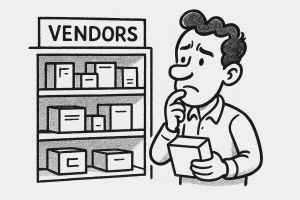
a new label doesn’t create a new capability.”
know what you actually need
most people start with vendors before they start with themselves. that is the first mistake. if you don’t know what problem you are solving, every vendor suddenly looks “perfect”. it’s like walking into a hardware store without knowing if you need a hammer or a torque wrench. you will walk out with something expensive and useless.
ignore the shiny words
vendors love new acronyms. they love trends. they love “next‑gen”. none of that means anything. “a new label doesn’t create a new capability.” look at what the product actually does, not what the marketing team calls it this year.
ask for mechanisms, not promises
a good vendor explains how they do something, not just that they do it. if they can’t walk you through the mechanism, they don’t have one. simple rule: “if someone can’t explain their engine, don’t buy their car.”
test their honesty
every vendor claims full coverage, full visibility, full everything. fine. ask them what they don’t do. if they say “nothing”, walk away. honesty is the first control in any security program.
evaluate the fit, not the fantasy
a vendor might be great, but not for you. your environment, your constraints, your maturity — these define the fit. security is not universal. it is contextual. choose the vendor that fits your reality, not the one that fits their slide deck.
remember the goal
the goal is not to buy something. the goal is to reduce risk in a measurable, meaningful way. vendors are tools. you are the driver. if you know where you are going, choosing the right tool becomes trivial.
if someone can’t explain their engine, don’t buy their car.”