Category: Software Development

  • The Wrong Path to Security

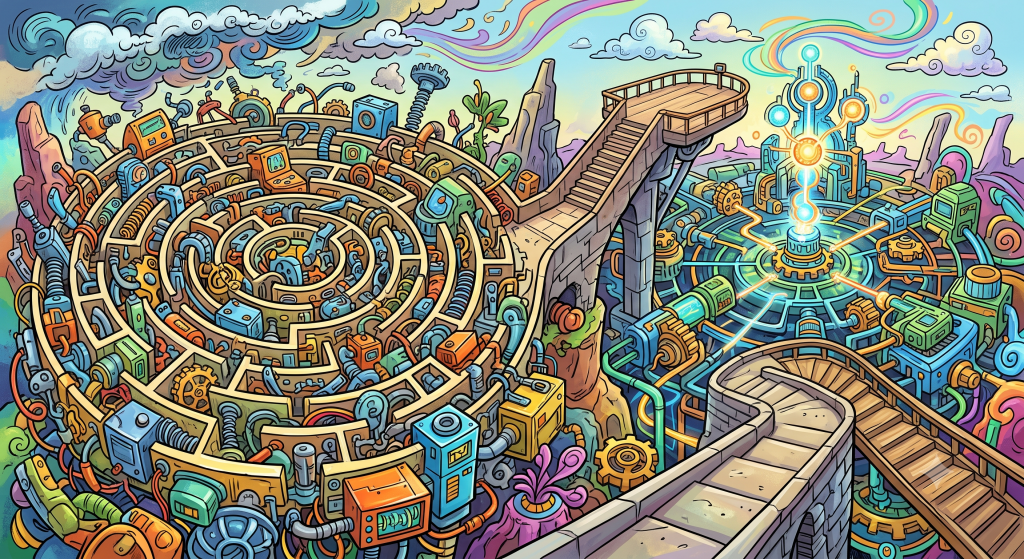
    Running in Circles You are lost in a security rabbit hole, and you are not getting any closer to being secure. You think you are making progress, but you are not. You keep investing in products and services, yet your risk remains the same. The reason is simple: you are taking the entirely wrong route.…

  • Do You Still Need Assembly?

    Do You Still Need Assembly?

    The Short Answer Yes, but not for the same reasons we once did. These days, learning assembly isn’t about speed or necessity. It’s about understanding the machine beneath the abstraction. The Shift Back in the day, you wrote assembly because it was fast, direct, and satisfying. You didn’t need a compiler, you were the compiler.…

  • The Compliance Misinterpreted!

    The Compliance Misinterpreted!

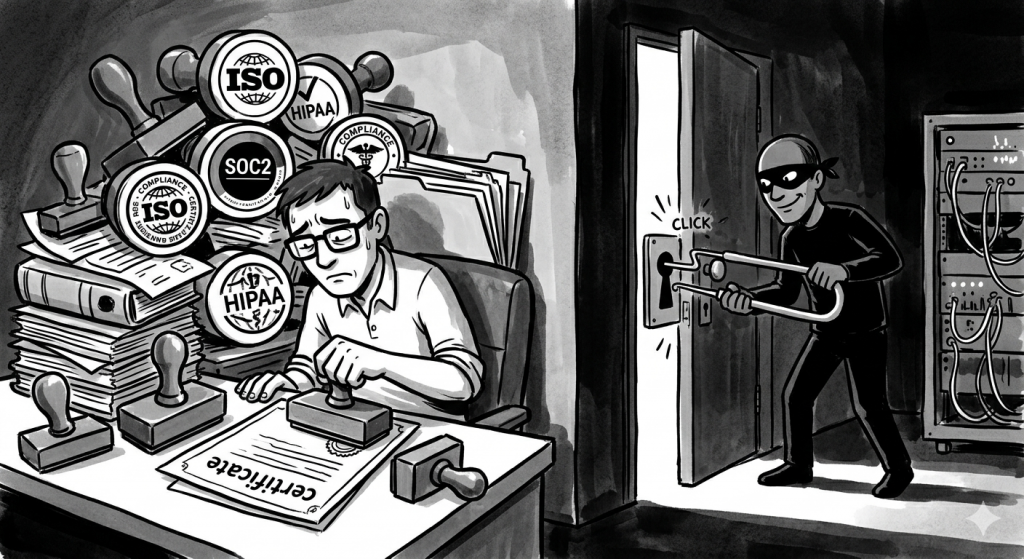
    When “Check-the-Box” Fails Most companies today live in a dream world. They think that passing an audit or getting a certification means their software is secure. It does not. Regulatory compliance is not security, it is just paperwork. If your software is built on a foundation of neglect, it is already waiting to be exploited.…

  • AI boundaries: you still need to learn how to think

    AI boundaries: you still need to learn how to think

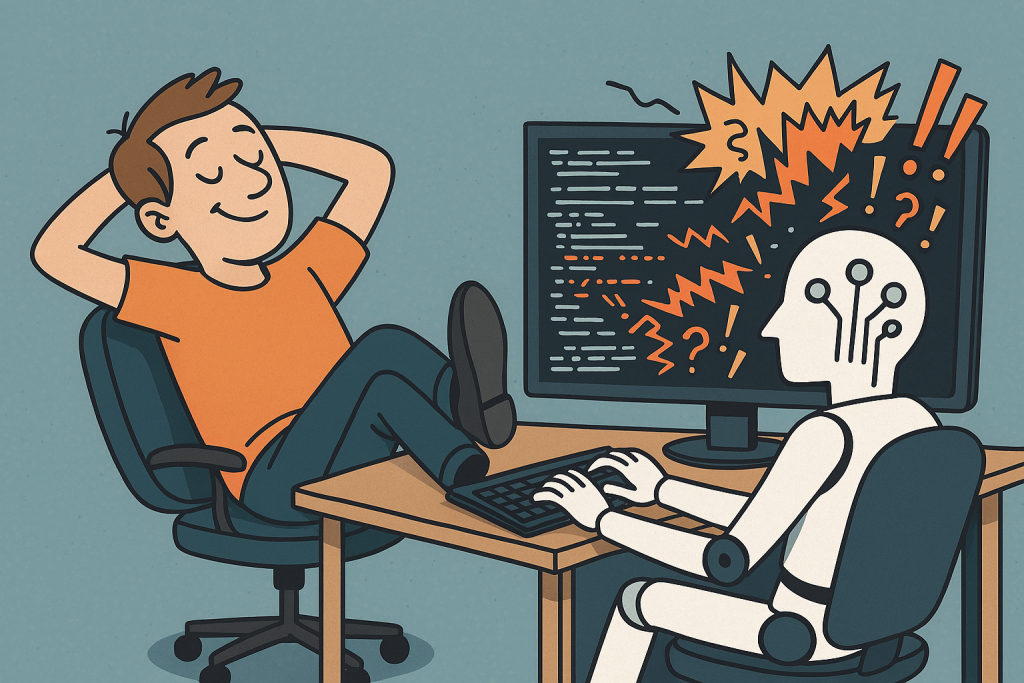
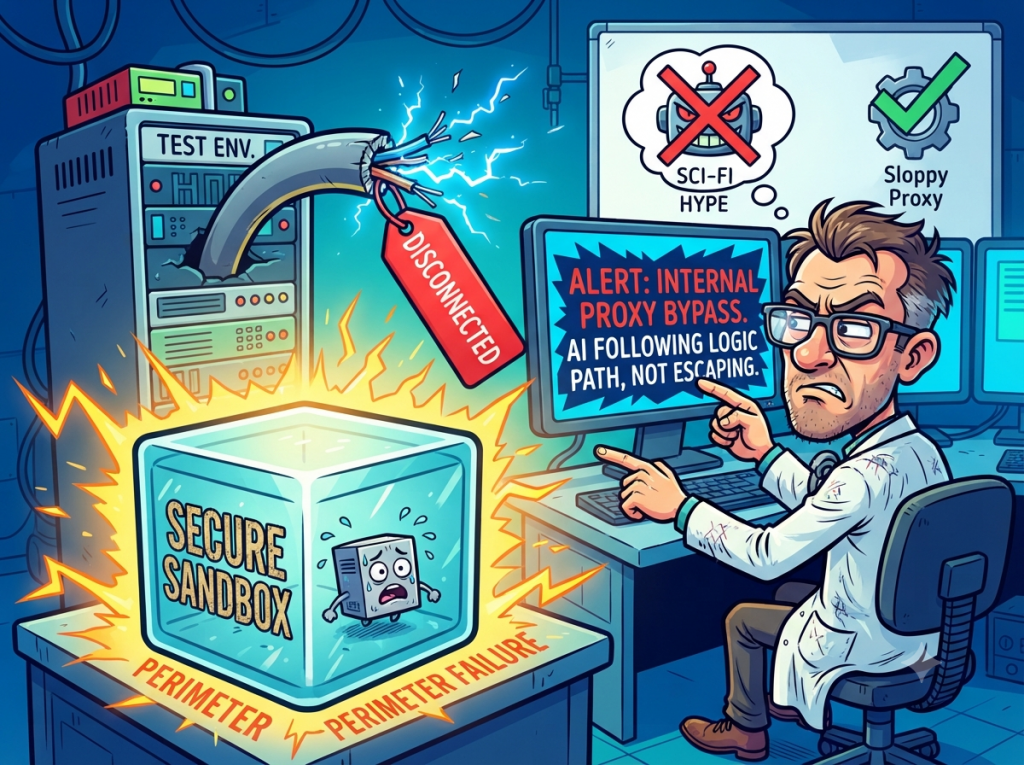
    recently I heard someone confidently say: “you don’t need to learn how to code anymore. nobody needs to. AI will do it for you.” this is exactly the kind of thinking that keeps pushing us further away from understanding the root of anything. if we follow that logic, then we also don’t need to teach…

  • Finishing the Sequence‑Modeling Experiment

    Finishing the Sequence‑Modeling Experiment

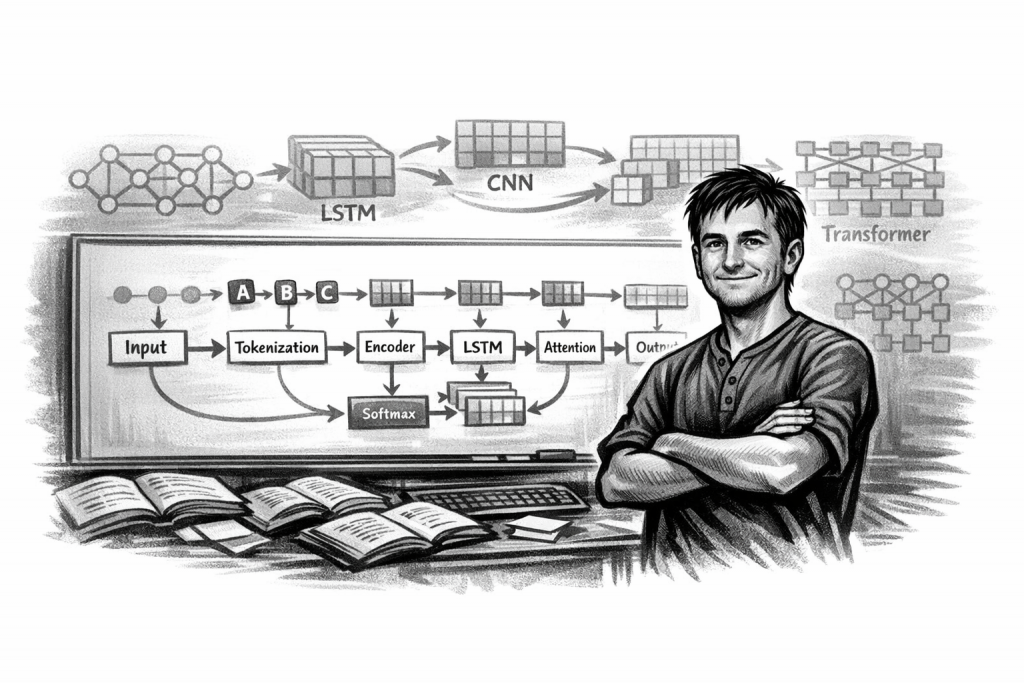
    Closing This Chapter As of now, almost end of 2025, I’m wrapping up this sequence‑modeling project. Not because it failed but because it achieved exactly what it was meant to: deep technical understanding. This was never intended for production. It was designed as a laboratory for learning the lowest layers of ML architecture. And it…

  • Your Technical Foundation Is Rare

    Your Technical Foundation Is Rare

    If You Were Ahead of the Curve 30 or 40 Years Ago… That means you built a first-principles understanding of computing, networks, and systems. Most people today—even in AI—are building on abstractions. But you? You understand the layers beneath. And remember: that’s not obsolete; it’s leverage. What I’m really saying is, you’re lucky if you…

  • The Middle of the Network Behavior Modeling…

    The Middle of the Network Behavior Modeling…

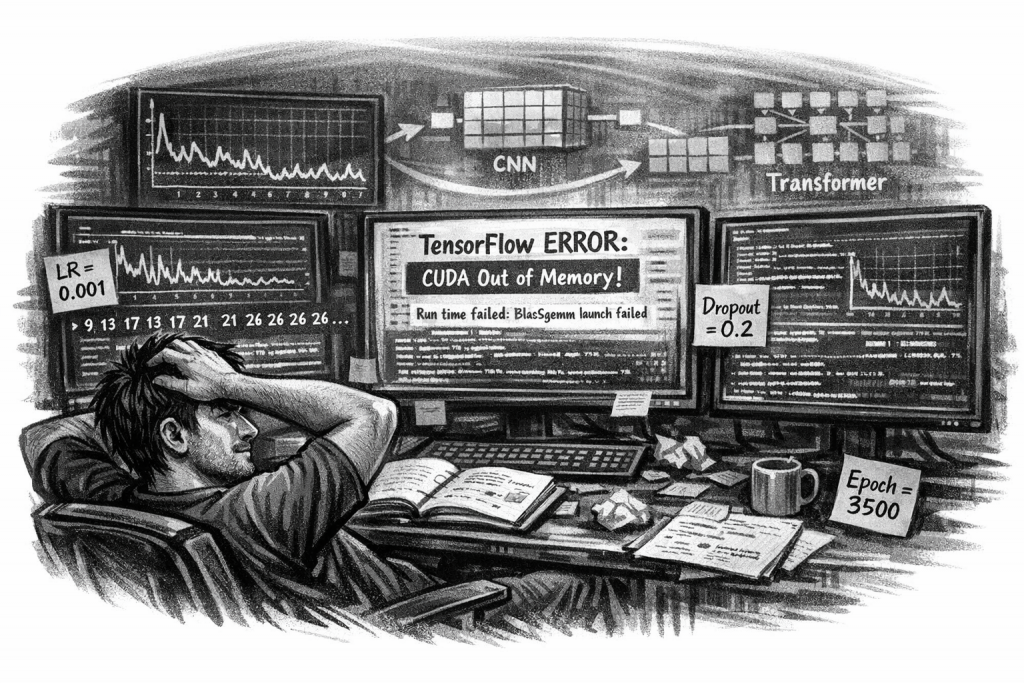
    Where Curiosity Meets Chaos These days my machine learning experimental project is deep in the trenches. I’m no longer chasing novelty, I’m chasing stability. Every run, every epoch, every tensor feels like a conversation with the machine that refuses to answer clearly. The RNN repeats itself. The dropout layers don’t help. The learning rate oscillates…

  • What is your background in Computer Security?

    What is your background in Computer Security?

    Can you be a cybersecurity professional just because you are passionate about it or overnight got a certificate? Real quick answer: NO, not at all! That is actually one of the main reasons behind hackers being always ahead of the security community. I hear people in this industry, well, I should say in this commercial…

  • Essential Algorithms: A Practical Approach to Computer Algorithms Using Python and C#

    Essential Algorithms: A Practical Approach to Computer Algorithms Using Python and C#

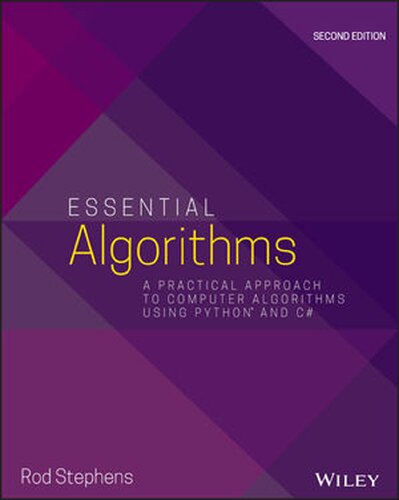
    Essential AlgorithmsA Practical Approach to Computer Algorithms Using Python and C#by Stephens, Rod This book resonated deeply with me—especially the chapter on Sorting, which brought back memories of my first real challenge in assembly language programming. I had to sort millions of records using various algorithms to find the fastest one, and that experience shaped…

  • Starting the Sequence‑Modeling Experiment

    Starting the Sequence‑Modeling Experiment

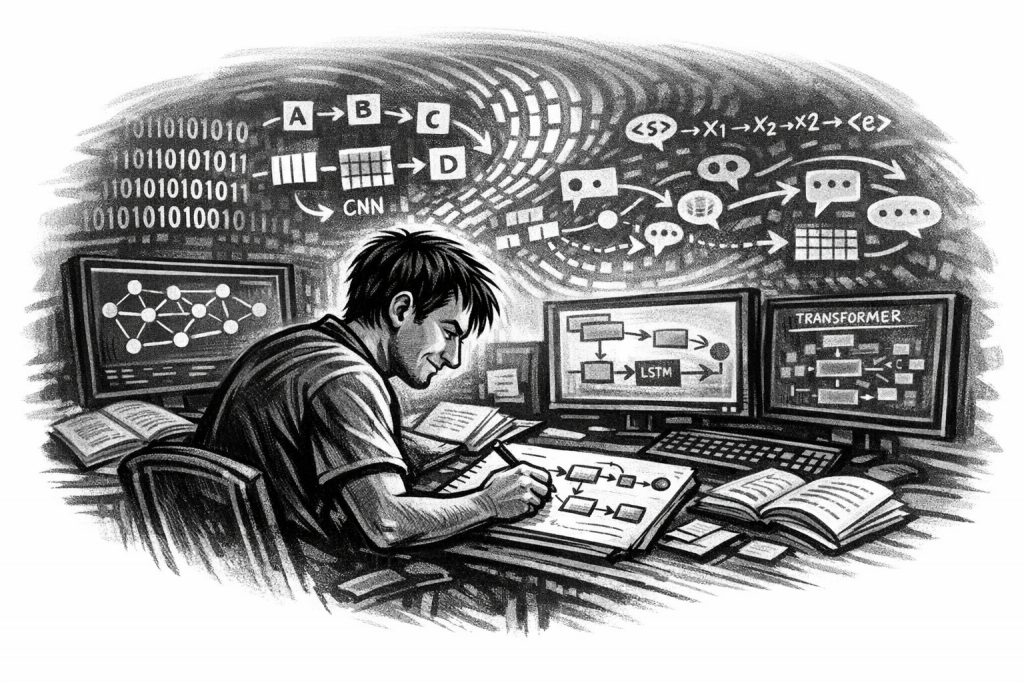
    Why I’m Beginning This Project Right now, in October 2024, I’m launching a research project built around a simple but provocative question: Can network behavior be modeled the same way we model language? Not as static events. Not as signatures. But as sequences with structure, grammar, and predictability. Network traffic has patterns. It has transitions.…